Discover Hanaya Sushi
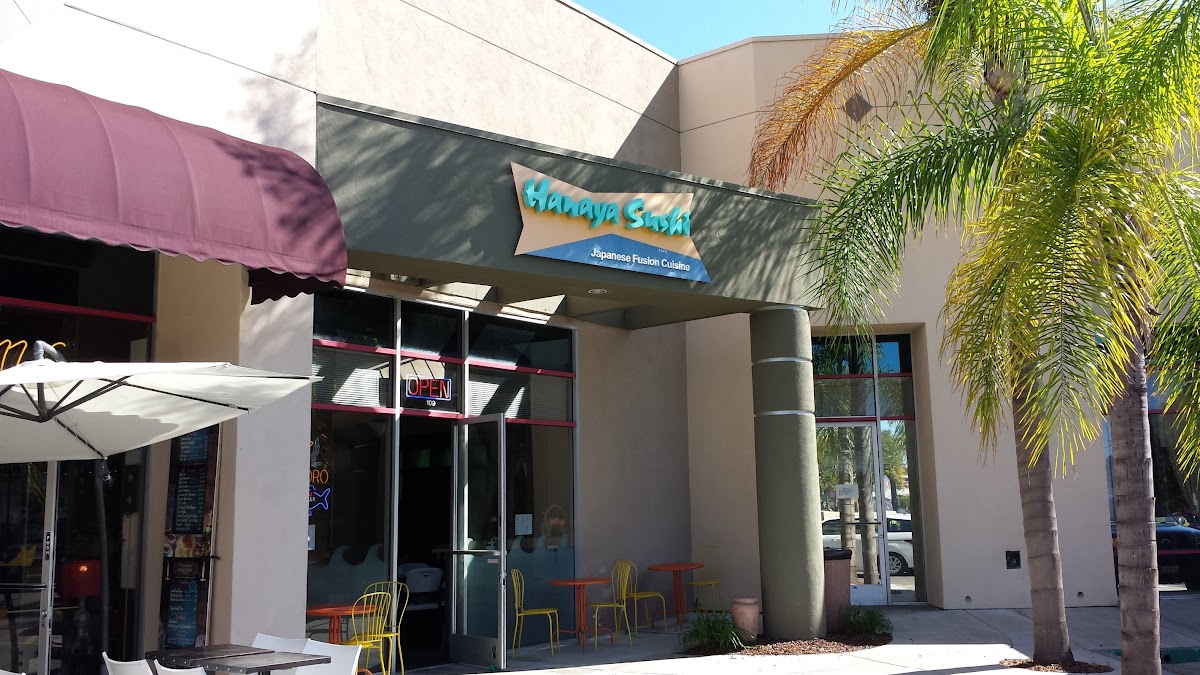
Hanaya Sushi is one of those places you don’t forget after the first visit, especially when you’re wandering around 10066 Pacific Heights Blvd #109, San Diego, CA 92121, United States looking for something that feels authentic but not stiff. I first walked in after a long workday, not expecting much more than a decent California roll, yet I left with the memory of a chef explaining why he slices hamachi at a slight angle to keep the texture silky. That kind of care doesn’t happen by accident.
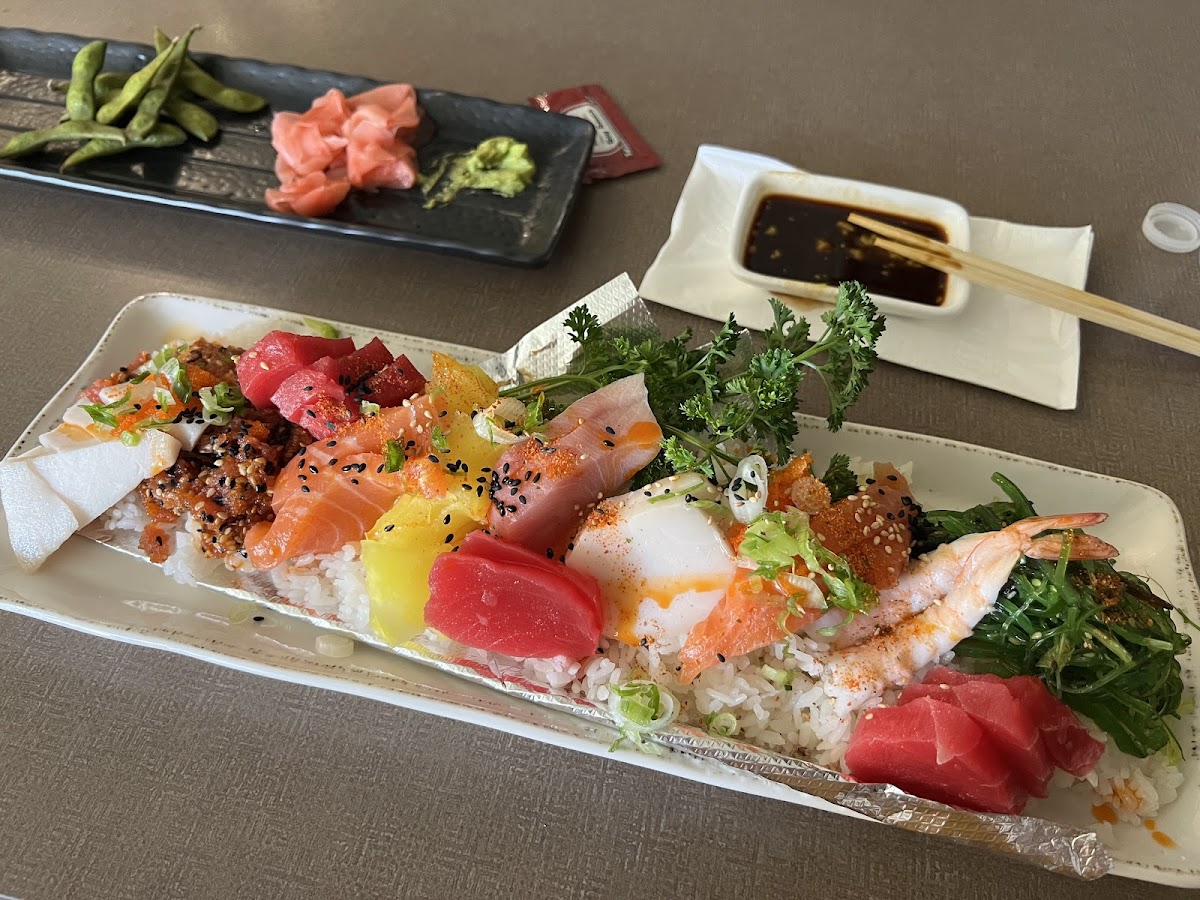
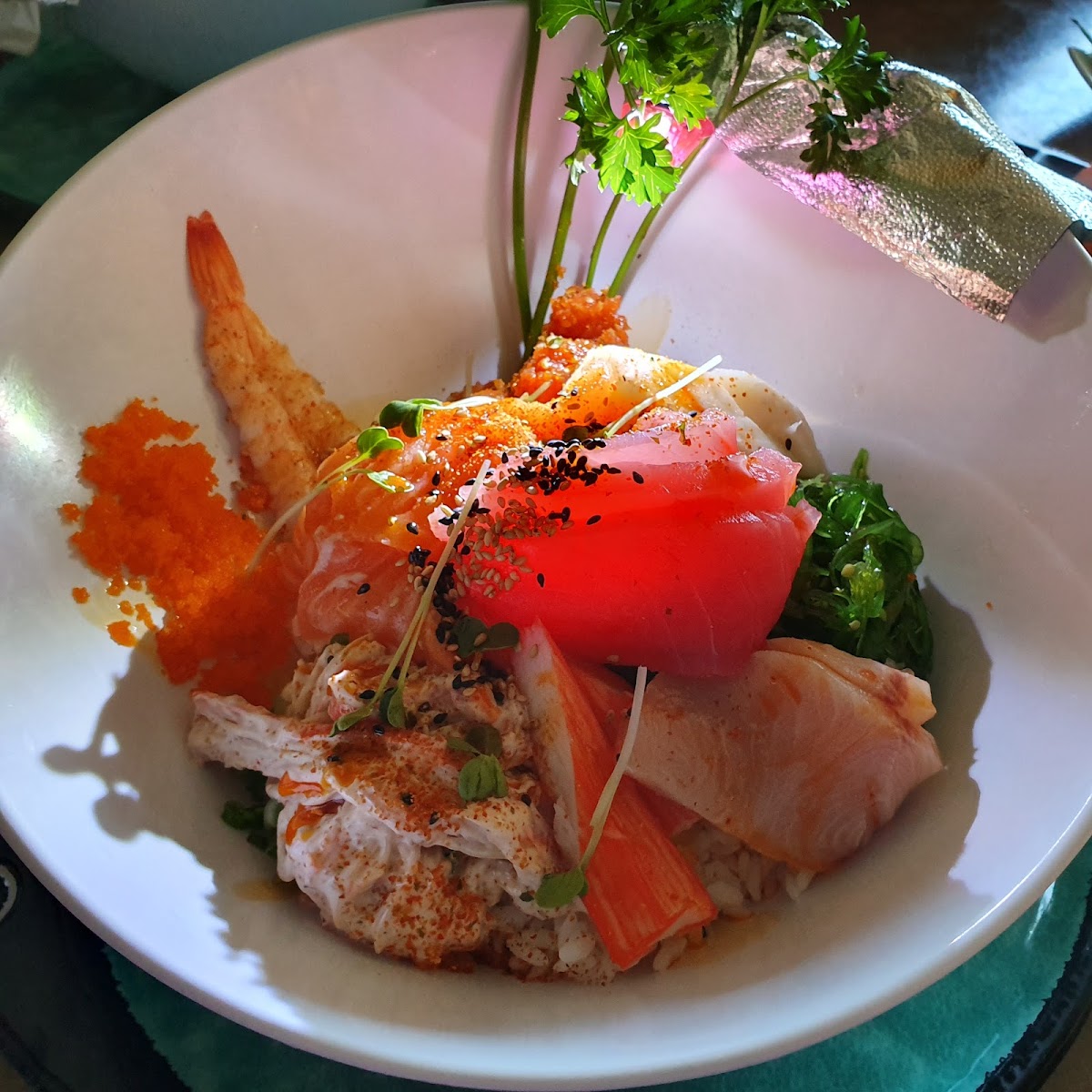
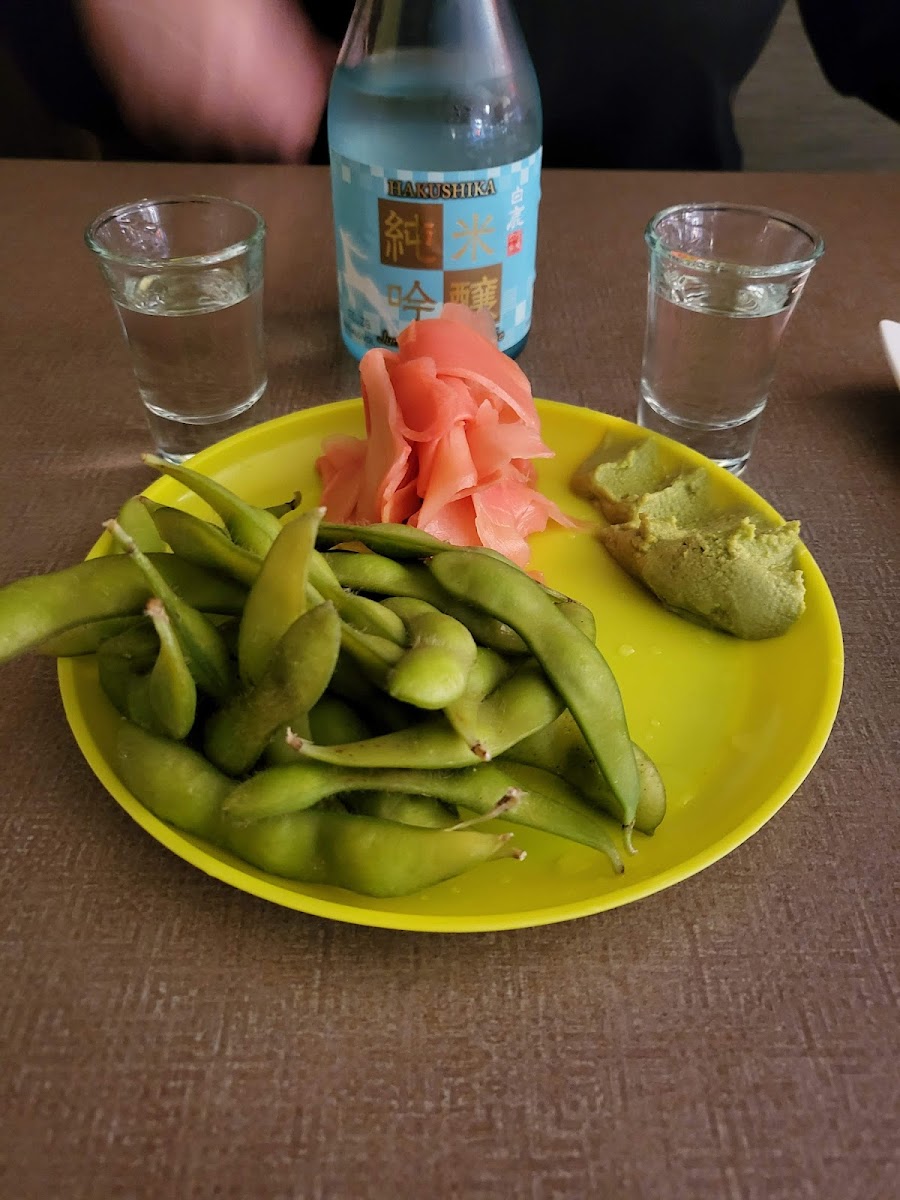
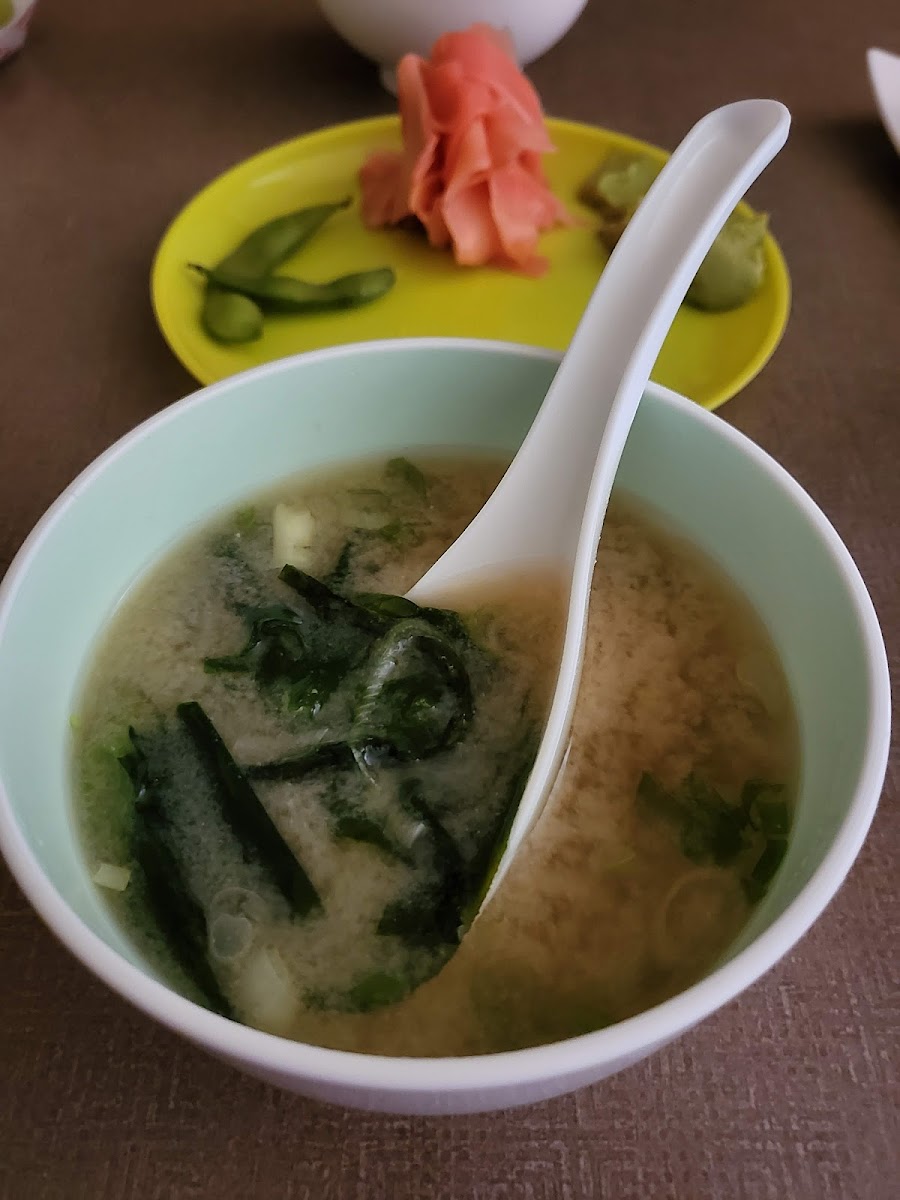
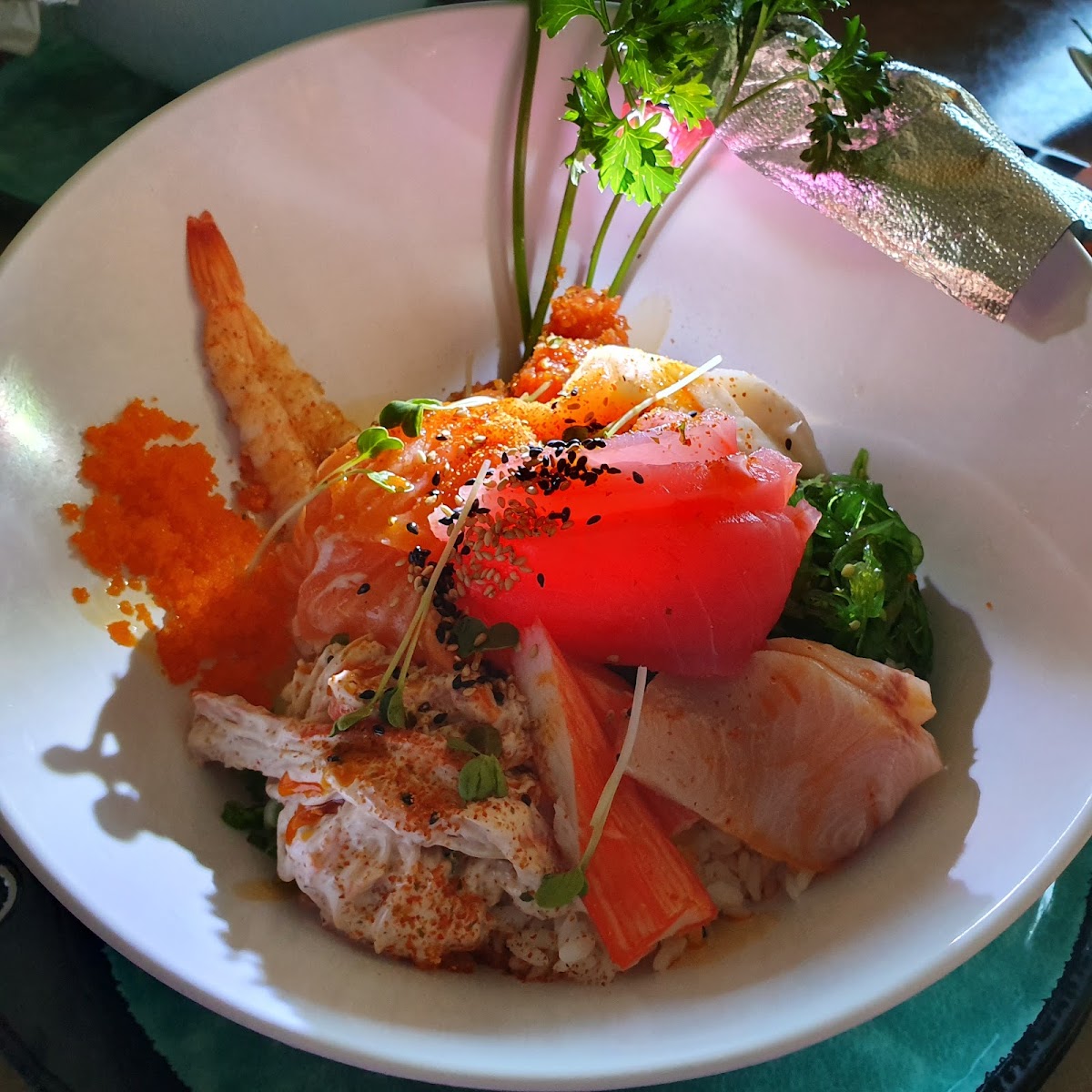
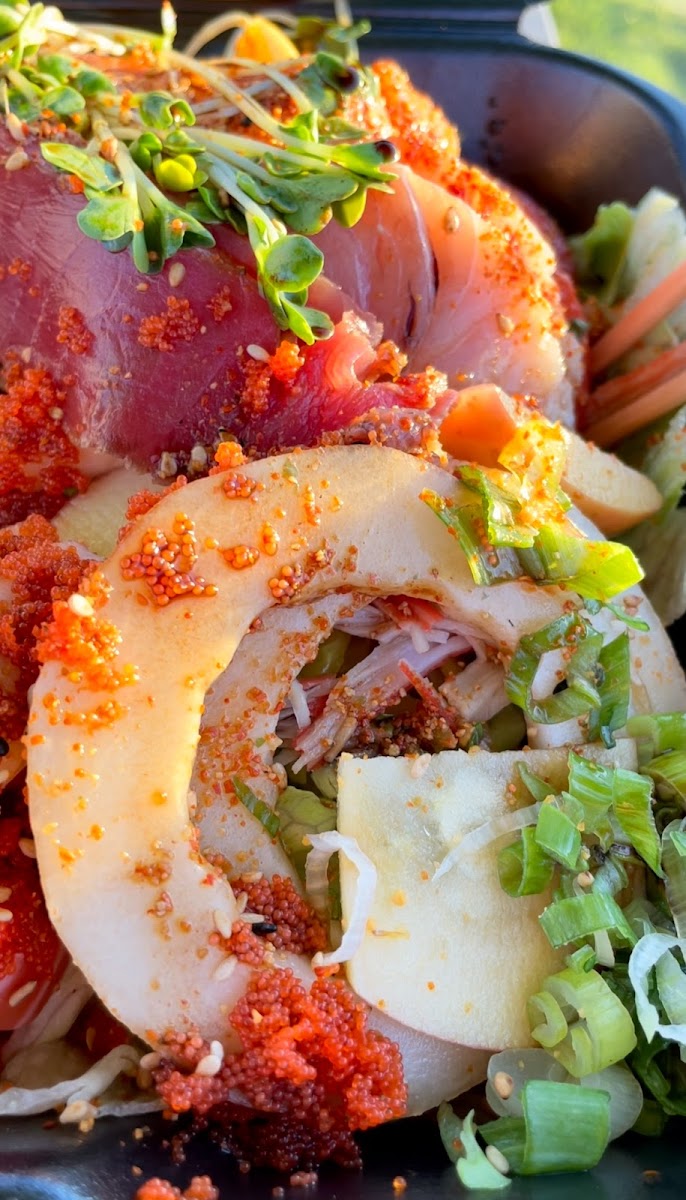
The menu reads like a quiet love letter to traditional Japanese cuisine. There are the staples-nigiri, sashimi, rolls-but also less common plates like ankimo and daily chef specials written on a small board behind the counter. I’ve watched the staff change those specials based on the fish that arrived that morning, a process confirmed by NOAA seafood handling guidelines that stress same-day processing for peak quality. That’s likely why the yellowtail tastes clean instead of muddy and the uni never carries that metallic edge that cheaper places can’t seem to avoid.
One evening, I chatted with a sushi chef who had trained under a Tokyo master associated with the Tokyo Sushi Academy, an institution well known in culinary circles for formalizing sushi education. He broke down the rice preparation step by step, from rinsing until the water runs clear to seasoning with vinegar while it’s still steaming. Food scientists from the University of California have published studies showing that rice temperature and moisture directly affect flavor absorption, and tasting it here made that research feel real instead of academic.
What also stands out is consistency. Yelp and Google reviews often swing wildly, yet this spot holds a stable rating that rarely dips. That reliability is something consumer behavior studies from Cornell University’s School of Hotel Administration highlight as a major trust driver in dining decisions. I’ve personally tested this theory by bringing three very picky coworkers on separate occasions, and not once did they complain about wait times or plating quality.
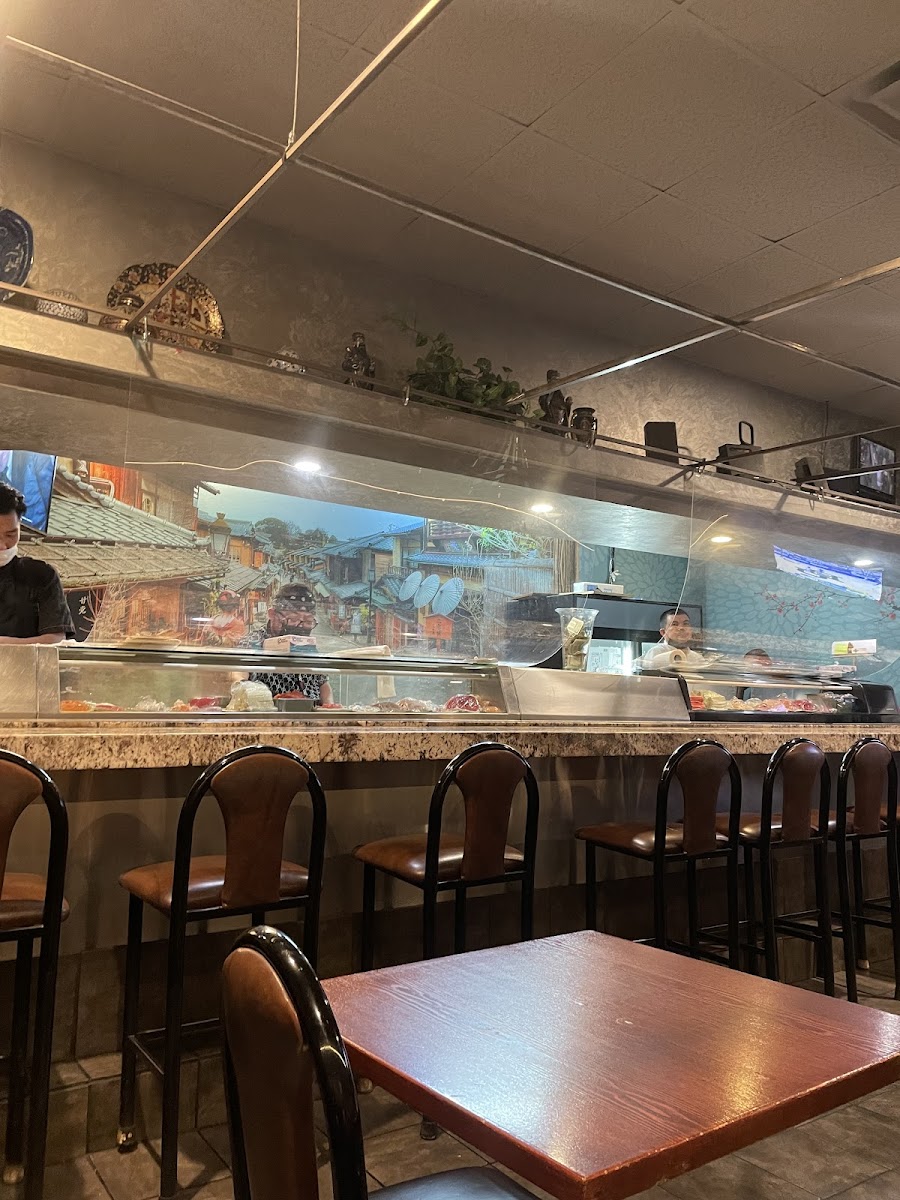
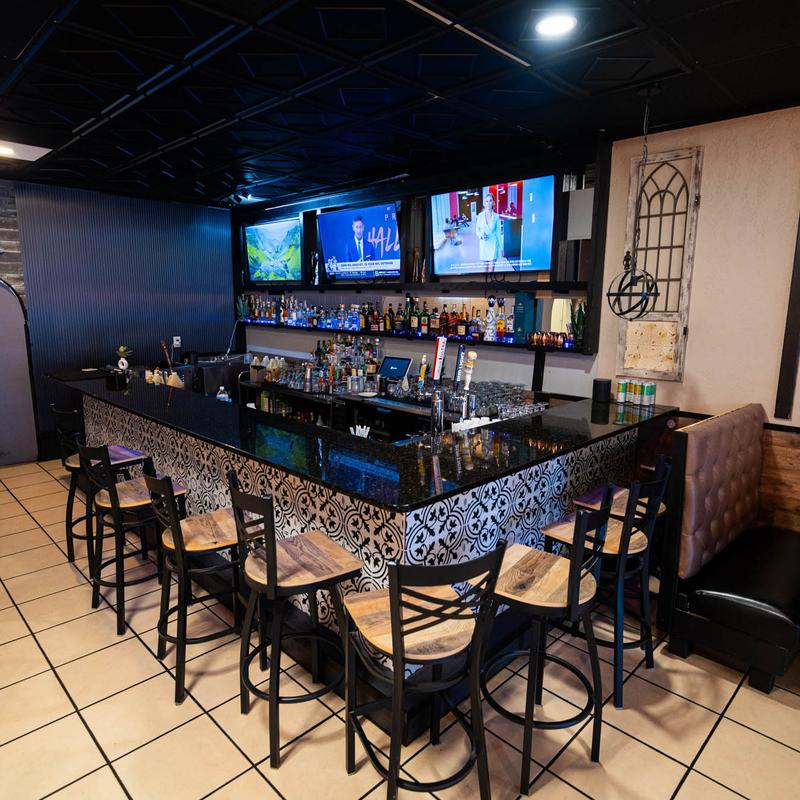
The location itself feels like a small refuge in a busy business area. Parking is straightforward, which in San Diego is half the battle, and the dining room avoids the loud nightclub vibe many sushi bars lean into. Instead, you get calm lighting, Japanese wood accents, and a counter layout that lets you watch every slice, torch, and drizzle of eel sauce. Observing that workflow taught me how chefs inspect each cut for color and fat lines, a method recommended by the Japanese Culinary Academy to detect oxidation early.
There are limitations, though. During peak dinner hours, tables fill quickly and the wait can stretch past 30 minutes. The staff does their best, but the kitchen is small, and high-volume prep is not their specialty. It’s also not the cheapest sushi experience in town, though considering seafood inflation reported by the U.S. Bureau of Labor Statistics, the pricing feels fair rather than inflated.
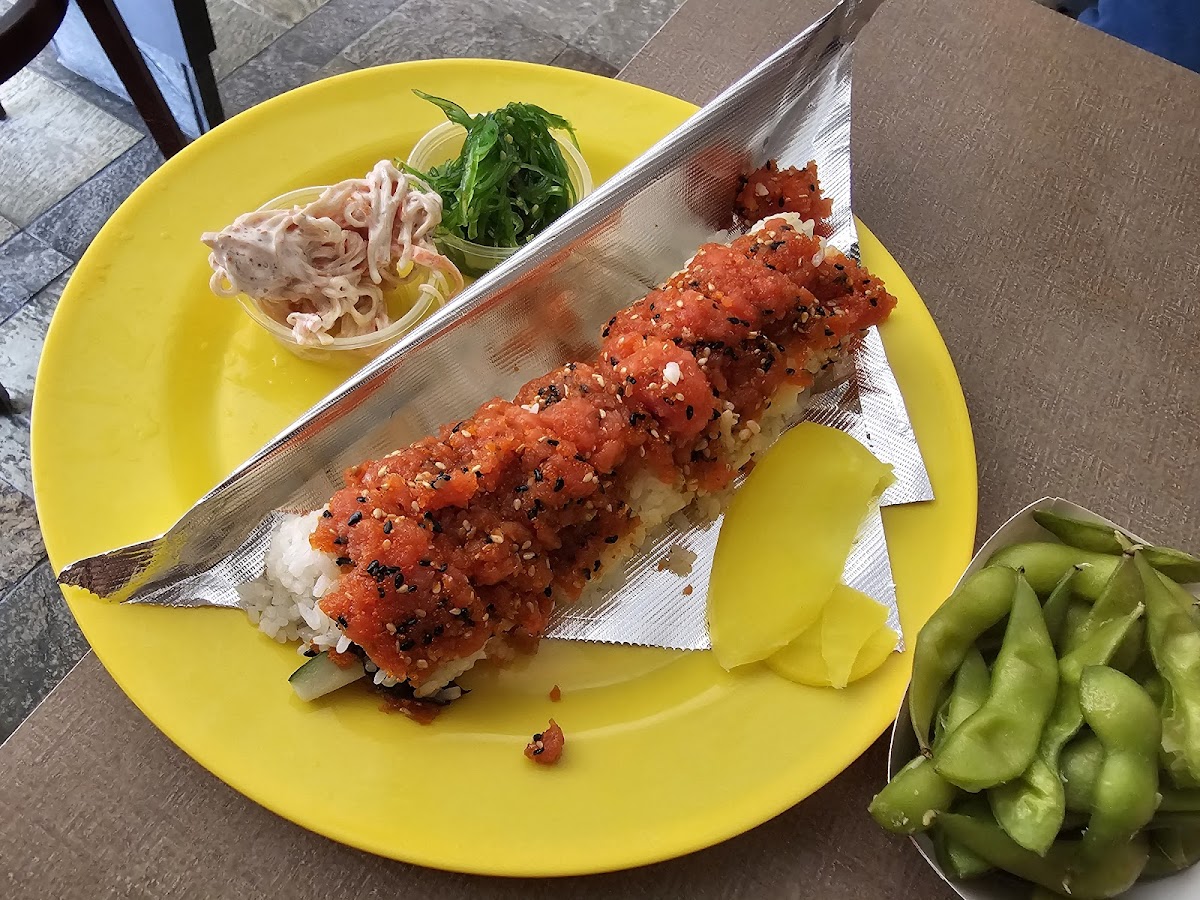
If you care about food sourcing, you’ll appreciate how the servers can explain where the salmon or tuna was harvested and why certain items vanish from the menu during spawning seasons. That transparency aligns with guidance from organizations like Monterey Bay Aquarium’s Seafood Watch, which encourages diners to support sustainable fisheries. I once skipped my usual spicy tuna roll after learning the batch didn’t meet their freshness threshold, opting instead for a snapper special that ended up being the highlight of the night.
This isn’t a place you rush through. It’s a restaurant where the menu, the reviews, the chefs, and the location all work together to create something that feels both comfortable and quietly impressive, the kind of diner that makes you slow down, put your phone away, and just enjoy the craft in front of you.